Why the AAO Recommends Your Child See an Orthodontist by Age 7
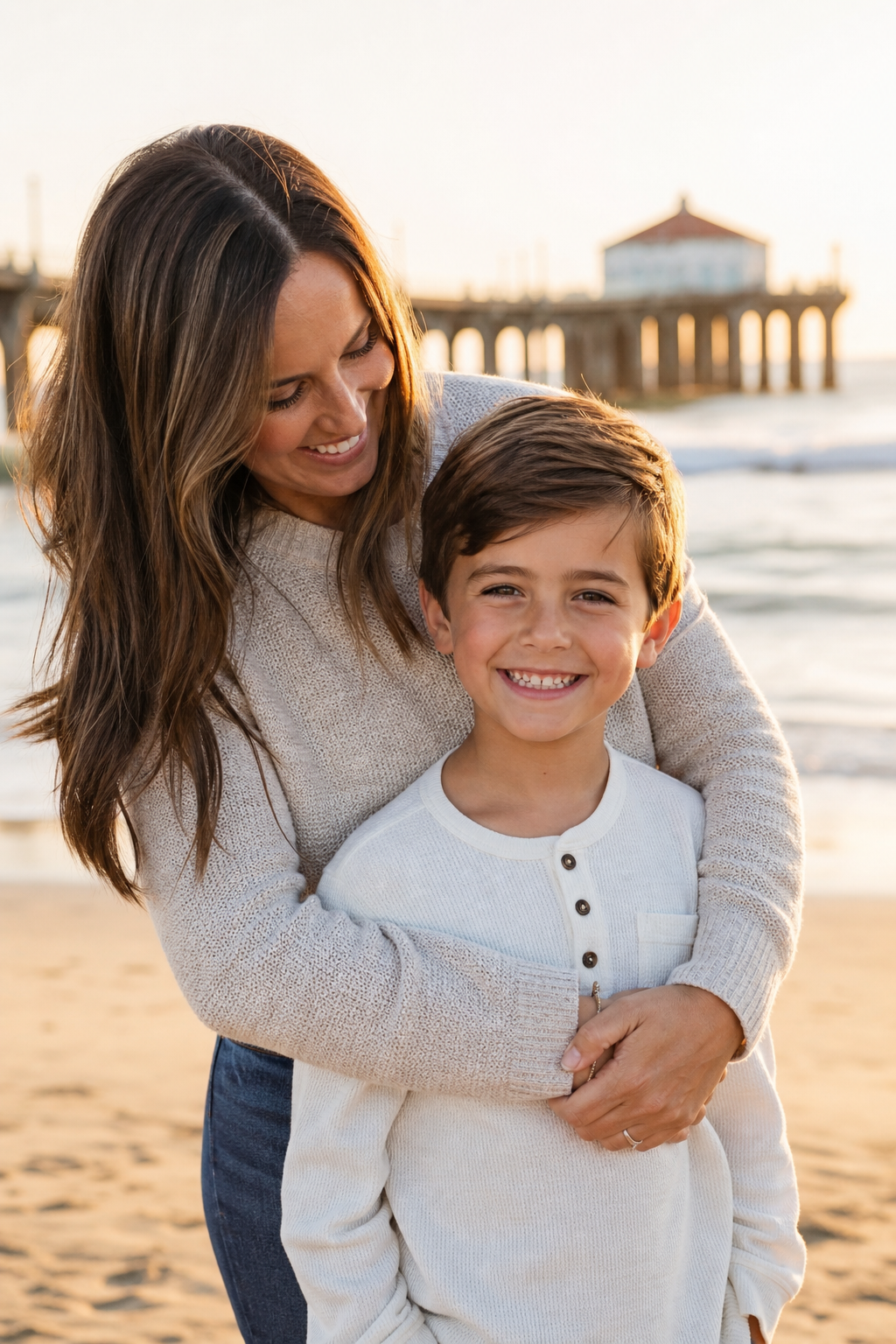
Why the AAO Recommends Your Child See an Orthodontist by Age 7
Your child just lost their second baby tooth, and somewhere between packing their Manhattan Beach Little League bag and navigating the 405 toward Redondo Beach for volleyball practice, you wonder: is it too early to think about braces? The American Association of Orthodontists (AAO) says no. In fact, they recommend every child see an orthodontist by age 7, even if their smile looks straight to you. Here is what that early visit actually involves, and why South Bay parents are glad they did not wait.
TL;DR
- The AAO recommends a first orthodontic screening by age 7 because that is when permanent teeth and jaw growth patterns become visible.
- Most seven-year-olds do not need braces yet. The goal is to spot problems early and plan ahead.
- Early screenings in Torrance, Hermosa Beach, and Palos Verdes can prevent more invasive treatment later.
- Signs to watch for include thumb sucking past age five, crowded baby teeth, difficulty chewing, and mouth breathing.
- Many early orthodontic treatment plans are simple, short, and far less stressful than parents expect.
Why Age 7 Matters
By age 7, most children have a mix of baby teeth and permanent teeth. This transitional stage gives orthodontists a clear window into how the jaw is developing and whether the permanent teeth have enough room to come in straight.
The AAO makes this recommendation not because seven-year-olds need full braces, but because interceptive problems are easiest to correct while the jaw is still growing. Catching a narrow palate, a crossbite, or protruding front teeth at this stage can mean simpler treatment, shorter timelines, and in some cases, avoiding extraction or surgery later.
For families in Lawndale, Carson, and Gardena, where dental anxiety and cost concerns sometimes delay visits, understanding that an early screening is just that - a screening - can remove a lot of pressure. It is a look-ahead, not a commitment.
What Actually Happens at a First Visit
If you have never been to an orthodontic office with a second-grader, you might picture a long appointment with moulds and wires. In reality, an early screening is usually brief, comfortable, and often fun for the child.
A typical first visit at our South Bay practice includes:
- A visual exam of the teeth, bite, and jaw alignment.
- Digital photos and a low-radiation panoramic X-ray if needed.
- A conversation with the parent about concerns, habits, and family history.
- A clear explanation of what is happening now, what might happen later, and whether any action is recommended.
Most children leave with a smile, a sticker, and a plan that says: "See you again in six to twelve months." No pressure. No hidden fees. Just information.
What We Often See in Practice
Over the years we have worked with families from Hawthorne to El Segundo, and certain questions and situations come up again and again.
- "My dentist said everything looks fine. Do we still need this?" General dentists do an excellent job, but orthodontists specialise in jaw growth and tooth positioning. Some issues are invisible until an orthodontic evaluation.
- "Will my child need braces right away?" In most early screening cases, the answer is no. We monitor growth and intervene only when there is a clear benefit.
- "What if they are nervous?" We have seen it all, from kids who want to see every tool to kids who barely say a word. Our team is trained to make the visit calm and positive.
- "Does early treatment mean we pay twice?" Phase 1 treatment, when recommended, can actually reduce the complexity and cost of Phase 2. In some cases it eliminates the need for Phase 2 entirely.
- "What about sports?" For active kids in South Bay youth soccer, surf clubs, or basketball leagues, early appliances like expanders are designed to be comfortable and low-profile. Mouthguards still fit normally.
Signs Parents Can Watch For at Home
You do not need a dental degree to spot potential orthodontic concerns. Here are signs that a seven-year-old in the South Bay might benefit from an orthodontic screening:
- Early or late loss of baby teeth.
- Thumb or finger sucking that continues past age five.
- Difficulty chewing or biting into food.
- Mouth breathing or snoring.
- Crowded, misplaced, or blocked-out teeth.
- Jaw shifting or clicking when opening and closing.
- Teeth that do not meet normally when the mouth is closed.
- Protruding front teeth, especially if there is a history of falls or facial injury.
If any of these sound familiar, scheduling a consultation is a low-stress way to get clarity.
Early Treatment Options: Less Dramatic Than They Sound
When early intervention is recommended, it is rarely what parents imagine. There are no full braces on baby teeth. Instead, treatment at this stage is usually focused on creating space, guiding jaw growth, or correcting harmful habits.
Common early orthodontic approaches include:
- Palatal expanders: A gentle appliance that widens the upper jaw over several weeks, creating room for permanent teeth. Kids adapt quickly, and it is often completed before middle school.
- Space maintainers: Small metal or acrylic devices that hold space open after a baby tooth falls out too early. They prevent neighbouring teeth from drifting.
- Partial braces or limited treatment: In select cases, a few brackets on specific teeth can correct a crossbite or close a gap.
- Habit appliances: A small device that helps stop thumb sucking or tongue thrusting, giving the teeth and palate a chance to develop normally.
These treatments are typically short - months, not years - and designed to work with a child's natural growth rather than fight it. Our early orthodontic treatment page explains each option in more detail.
How This Fits With South Bay Family Life
South Bay families are busy. Between Mira Costa High track meets, Redondo Union water polo, weekend surf at Hermosa Beach Pier, and the daily commute on the 405 or PCH, fitting in medical appointments takes planning.
That is why early orthodontic screenings are designed to be quick and informative, not disruptive. We see patients from Manhattan Beach, Torrance, Palos Verdes, and throughout the South Bay, with appointment times that respect working parents and active kids. Early morning and after-school slots are available.
Many parents tell us they schedule the screening during the summer or winter break, when school and sports schedules are lighter. Others pair it with a dentist visit already on the calendar. There is no wrong time - just the right time for your family.
Cost, Insurance, and What to Expect
One of the most common concerns we hear from parents in Gardena, Hawthorne, and Lawndale is cost. Early screenings are typically lower in cost than full braces treatment, and many dental insurance plans cover part or all of the initial evaluation.
If early treatment is recommended, the total cost depends on:
- The type of appliance needed.
- The length of treatment.
- Whether the treatment is Phase 1 only, or if it sets the stage for later Phase 2.
We provide transparent pricing and flexible payment options. Our cost guide breaks down typical investments for South Bay families. We also work with most major insurance providers and offer payment plans that spread costs over time.
Frequently Asked Questions
At what age should my child first see an orthodontist?
The AAO recommends every child have an orthodontic screening by age 7. This does not mean treatment will start at 7, but it gives the orthodontist a clear view of how the jaw and teeth are developing. Some issues are easiest to correct while a child is still growing.
Does my child need a referral from their dentist?
No. While many dentists refer patients for orthodontic evaluations, you do not need a referral to book a consultation. Parents in El Segundo, Carson, and throughout Los Angeles often call directly.
Will my seven-year-old need braces immediately?
In most cases, no. The early screening is an evaluation. If treatment is recommended, it is usually interceptive - things like expanders or space maintainers - rather than full braces. In many cases, we simply monitor growth and bring the child back for check-ups.
How long does an early orthodontic screening take?
Most initial screenings take 30 to 45 minutes. That includes the exam, any needed X-rays, and time for the orthodontist to explain findings and answer questions. It is a low-pressure visit designed to inform, not overwhelm.
What if we wait until my child is a teenager?
Waiting is sometimes fine, but for certain jaw or bite issues, early intervention can make later treatment faster, easier, or unnecessary. Once jaw growth is complete, some corrections that were simple at age 7 require more complex solutions.
Are early orthodontic appliances uncomfortable for kids?
Most children adapt within a few days. Palatal expanders and space maintainers are custom-fitted and designed for comfort. Active kids in South Bay sports typically return to soccer, volleyball, and swimming without missing a beat.
When to Schedule Your Child's Screening
If your child is 7 or older and has not yet seen an orthodontist, now is the right time. The screening is quick, informative, and gives you a roadmap for your child's dental development without committing to anything.
For parents in Manhattan Beach, Hermosa Beach, Redondo Beach, Palos Verdes, Torrance, and the wider South Bay, booking a consultation is the easiest next step. Whether your child needs early treatment or simply a watchful eye, you will leave with clarity and a plan.
This article was written by the Beach Cities Orthodontist team and reviewed for accuracy by a board-certified orthodontist. Last reviewed: May 2026.
Learn more: